Introduction: A Domestic Crisis with Regional Consequences
Political unrest in Bangladesh following the killing of a youth leader has escalated into nationwide protests, drawing regional and international attention. What began as a domestic political flashpoint has now spilled into the diplomatic arena, straining relations with neighboring India and exposing the fragility of political stability in South Asia.
For international observers, the episode serves as a reminder that in an interconnected region, internal political crises rarely remain confined within national borders.
The Incident That Sparked Nationwide Protests
The killing of a prominent youth leader ignited widespread anger across Bangladesh, particularly among student groups and young political activists. Demonstrations quickly spread from urban centers to smaller towns, fueled by allegations of political violence, lack of accountability, and concerns over democratic freedoms.
Security forces responded with heightened deployments, while government officials called for calm and promised investigations. However, public skepticism remains strong, reflecting deeper frustrations that extend beyond a single incident.
From a journalistic perspective, the protests reveal long-standing tensions within Bangladesh’s political landscape, where youth movements have historically played decisive roles in moments of national change.
Youth Politics and Democratic Pressures
Bangladesh’s demographic profile makes youth politics especially significant. A large portion of the population is under 30, and political engagement among young people has increased in recent years. The killing has therefore resonated not only as an act of violence but as a symbol of broader concerns about political participation, representation, and safety.
Analysts note that when youth-led movements gain momentum, they can rapidly transform from protest campaigns into broader challenges to political authority. This dynamic adds urgency to the government’s response and complicates efforts to restore stability.
Diplomatic Fallout with India
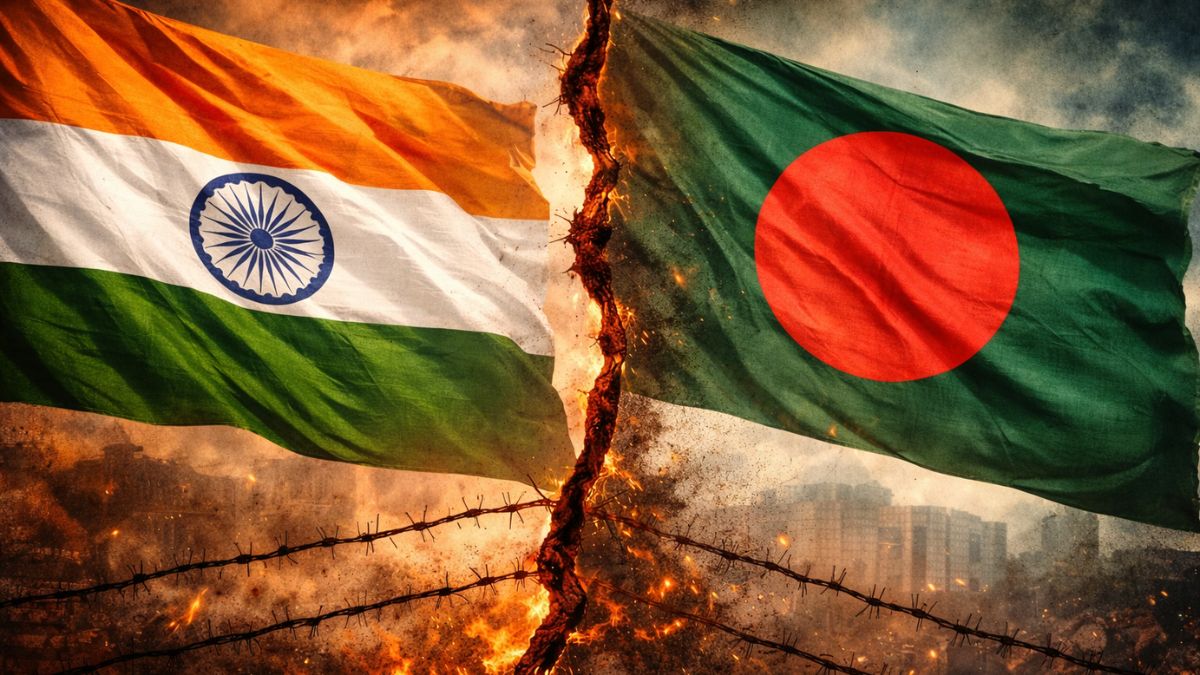
As protests intensified, diplomatic tensions with India began to surface. While New Delhi has officially described the situation as Bangladesh’s internal matter, public sentiment and political rhetoric within Bangladesh have increasingly linked domestic unrest to regional relationships.
India and Bangladesh share deep economic, cultural, and security ties. Cooperation spans trade, energy, counterterrorism, water-sharing agreements, and border management. Any strain in relations therefore carries tangible consequences for both sides.
Diplomatic sources suggest that while formal channels remain open, trust has been tested. In South Asia, where historical sensitivities run deep, perception often matters as much as policy.
Border Sensitivities and Security Concerns
Periods of political unrest in Bangladesh have historically heightened concerns along the India–Bangladesh border. Increased migration pressures, misinformation, and localized incidents can quickly escalate into diplomatic issues.
Security agencies on both sides remain alert, seeking to prevent unrest from triggering cross-border instability. From an international security standpoint, such vigilance reflects the broader reality that domestic political volatility can become a regional risk multiplier.
Economic Implications of Political Instability
Beyond diplomacy, political unrest threatens economic confidence. Bangladesh has positioned itself as a growing manufacturing and export hub, particularly in textiles. Prolonged instability risks disrupting supply chains, deterring foreign investment, and slowing economic growth.
India, as one of Bangladesh’s major trading partners, has a vested interest in regional stability. Economic interdependence means that political crises can have cascading effects across borders.
For global markets, the situation underscores how political risk in emerging economies can influence broader regional trade dynamics.
Media, Narratives, and Public Perception
In the digital age, information travels faster than diplomacy. Competing narratives surrounding the killing, the protests, and external influence have spread rapidly across social media platforms. This has amplified tensions and made crisis management more complex.
For international journalists, reporting on the situation requires careful navigation between verified facts and emotionally charged claims. Public perception, shaped by both domestic and international media, plays a critical role in determining how quickly tensions escalate or subside.
South Asia’s Broader Political Context
The unrest in Bangladesh occurs amid a wider pattern of political sensitivity across South Asia, where democratic institutions face pressure from polarization, economic stress, and youth dissatisfaction. Regional stability depends not only on government-to-government relations but on public trust within societies.
India’s response, therefore, is being closely watched not just by Bangladesh, but by other neighbors assessing New Delhi’s regional diplomacy during periods of instability.
The Challenge of De-escalation
De-escalating the current situation requires multiple steps: credible investigations, transparent communication, and political restraint. For Bangladesh, restoring public confidence is essential to preventing further unrest. For India, maintaining a balanced approach that avoids public escalation while protecting strategic interests is equally critical.
International partners may play a quiet role through diplomatic engagement and support for dialogue, though overt intervention remains unlikely.
Conclusion: Stability as a Shared Regional Responsibility
The political unrest in Bangladesh highlights how domestic crises can quickly acquire regional dimensions. For South Asia, where borders, economies, and histories are deeply intertwined, stability is a shared responsibility rather than a purely national concern.
Whether current tensions evolve into lasting diplomatic strain or gradually ease will depend on leadership choices, public trust, and regional cooperation. For global observers, the episode serves as a case study in how internal political developments can reshape international relationships in an increasingly interconnected world.